Mastering Digital Marketing Strategies
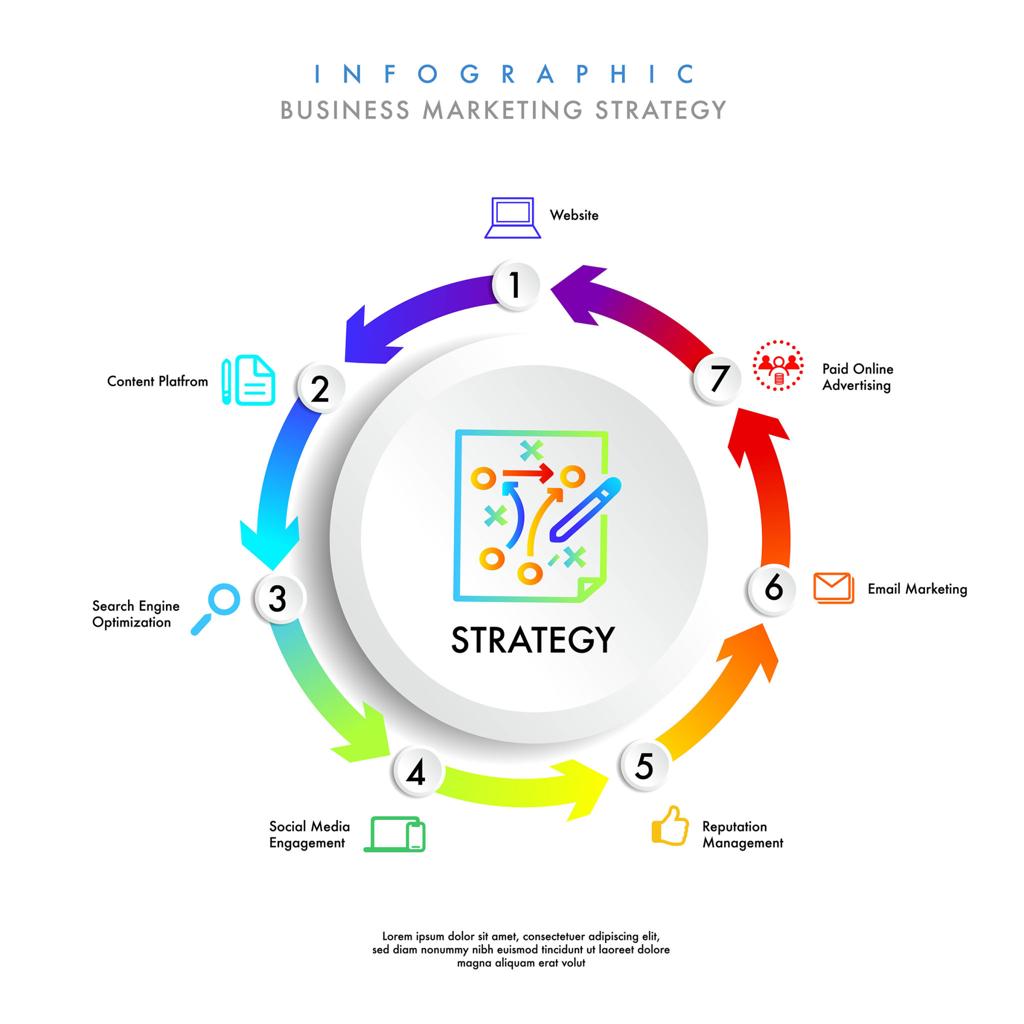
In today’s digital landscape, mastering effective marketing strategies is crucial for success. Here are key areas to focus on:
- SEO: Optimize your website for search engines to increase visibility.
- Social Media: Engage with your audience through targeted campaigns.
- Content Marketing: Create valuable content that attracts and retains customers.
Mastering digital marketing requires a holistic, integrated approach that focuses on building trust and long-term customer value. Instead of spreading yourself thin, focus on your core audience, leverage data-driven insights, and execute these fundamental pillars effectively.
1. Define Your Audience and Value Proposition
Great marketing starts with understanding exactly who you are speaking to.
- The 3-3-3 Rule: Concentrate on three primary brand messages, three distinct audience segments, and the top three communication channels where your audience is most active.
- Needs-Based Value Proposition: Craft a compelling, specific offer that directly solves your target audience’s pain points.
2. Leverage Search Engine Optimization (SEO)
Organic visibility is the backbone of sustainable digital growth.
- Keyword Strategy: Identify search terms and user intent directly related to your niche.
- On-Page Optimization: Consistently produce high-quality, relevant content that answers user queries and aligns with modern search engine algorithms.
3. Optimize Social Media and Content Marketing
Avoid trying to be active on every single platform.
- Platform Selection: Select the top one or two platforms that yield the best results for your specific business model and master them.
- Content Calendar: Maintain a consistent, compelling output rather than overselling. Engage with your community by responding to comments and utilizing relevant industry hashtags.
4. Utilize Paid Advertising (PPC)
Pay-per-click campaigns allow you to bypass organic delays and drive immediate, highly targeted traffic.
- Targeting Precision: Use platforms like Google Ads and social media ad managers to target specific demographics, locations, and user behaviors.
5. Email Marketing
Build and nurture your own subscriber base to control your messaging and directly drive conversions.
- List Building: Offer incentives (e.g., discounts, resources) in exchange for email addresses.
- Marketing Automation: Create automated sequences (welcome series, abandoned cart reminders) to continuously nurture leads.
6. Analyze and Adapt Data
The true advantage of digital marketing is the ability to track activities and feedback in real-time.
- Analytics: Regularly evaluate key performance indicators (KPIs) to see which campaigns generate the highest return on investment (ROI).
- Adaptability: Refine your approach based on user activity and evolving industry trends.