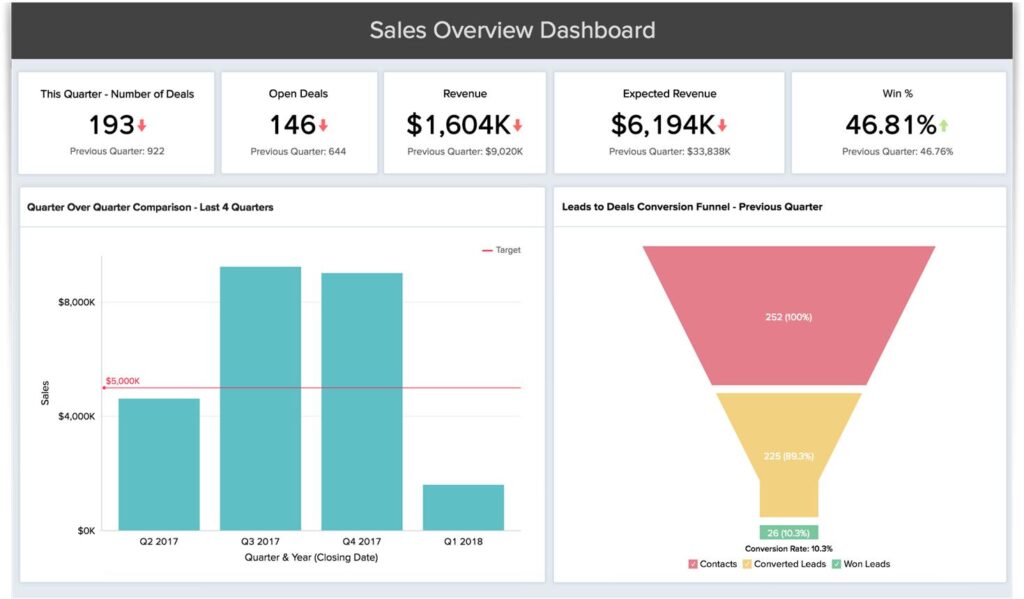
Explore Funnels: Understanding Marketing and Sales Funnels
A marketing funnel (or sales funnel) is a model that represents the journey a potential customer takes from first discovering your business to becoming a paying customer—and ideally, a loyal advocate.
The funnel is called a “funnel” because many people enter at the top, but only a smaller percentage convert at the bottom.
Why Funnels Matter
Funnels help businesses:
- Understand customer behavior
- Identify where prospects drop off
- Improve conversion rates
- Generate more qualified leads
- Increase sales and revenue
- Measure marketing effectiveness
Without a funnel, it’s difficult to know how prospects move through the buying process.
The Four Main Stages of a Funnel
1. Awareness (Top of Funnel – TOFU)
At this stage, people become aware of your brand, product, or service.
Common channels include:
- SEO
- Blog content
- Social media
- Digital advertising
- Videos
- Referrals
Goal: Attract attention and generate interest.
Example: A business owner searches Google for “custom eyewear manufacturing” and discovers your website.
2. Interest (Middle of Funnel – MOFU)
Prospects begin learning more about your business and evaluating solutions.
Content often includes:
- Blog posts
- Guides
- Case studies
- Webinars
- Email newsletters
Goal: Educate and build trust.
Example: The visitor reads your manufacturing process article and downloads a guide about launching an eyewear brand.
3. Decision (Bottom of Funnel – BOFU)
Prospects are ready to compare options and make a purchasing decision.
Effective content includes:
- Product pages
- Testimonials
- Pricing information
- Consultations
- Free quotes
- Product samples
Goal: Convert leads into customers.
Example: The prospect requests a manufacturing quote for a custom eyewear collection.
4. Retention and Loyalty
The funnel doesn’t end after a sale.
Retention strategies include:
- Customer support
- Loyalty programs
- Email follow-ups
- Product updates
- Referral programs
Goal: Encourage repeat business and referrals.
Example: A satisfied eyewear brand places additional manufacturing orders and recommends your company to others.
A Simple Funnel Example
Awareness
    ↓
Interest
    ↓
Consideration
    ↓
Decision
    ↓
Purchase
    ↓
Loyalty
Types of Funnels
Lead Generation Funnel
Designed to collect contact information from potential customers.
Typical flow:
- Advertisement
- Landing page
- Lead form
- Email sequence
- Sales contact
Sales Funnel
Focused on converting prospects into paying customers.
Typical flow:
- Awareness
- Interest
- Product evaluation
- Purchase
E-commerce Funnel
Common for online stores.
Typical flow:
- Product discovery
- Product page visit
- Add to cart
- Checkout
- Purchase
B2B Funnel
Often longer because business purchases involve more decision-makers.
Typical flow:
- Website visit
- Lead magnet
- Consultation
- Proposal
- Contract
- Sale
Funnel Metrics to Track
To optimize your funnel, monitor:
| Metric | What It Measures |
|---|---|
| Traffic | Website visitors |
| Leads | Prospects captured |
| Conversion Rate | Visitors who convert |
| Cost Per Lead (CPL) | Cost to acquire a lead |
| Customer Acquisition Cost (CAC) | Cost to acquire a customer |
| Sales Revenue | Income generated |
| Customer Lifetime Value (CLV) | Long-term customer value |
How CRO and Funnels Work Together
Funnels guide visitors through the buying journey, while Conversion Rate Optimization (CRO) improves each step of that journey.
For example:
- Better headlines increase awareness-stage engagement.
- Improved landing pages generate more leads.
- Stronger CTAs increase quote requests.
- Simplified forms reduce abandonment.
Together, funnels and CRO create a more efficient path from visitor to customer.
Funnel Example for a Custom Eyewear Manufacturer
Awareness
- SEO article: “How to Launch an Eyewear Brand”
- Social media content
- Digital advertising
Interest
- Manufacturing guides
- Product catalogs
- Educational videos
Decision
- Free consultation
- Product samples
- Custom quote request
Retention
- Ongoing production support
- New product development
- Repeat manufacturing orders
Conclusion
Funnels provide a structured way to guide prospects from awareness to purchase. By understanding each stage and optimizing the customer journey, businesses can attract more leads, increase conversions, and build long-term customer relationships.