Lead Generation vs Affiliate Marketing: Which One Is Right for You?
Overview
Lead generation and affiliate marketing are two popular online business and marketing models that help generate revenue and business growth — but they work in very different ways.
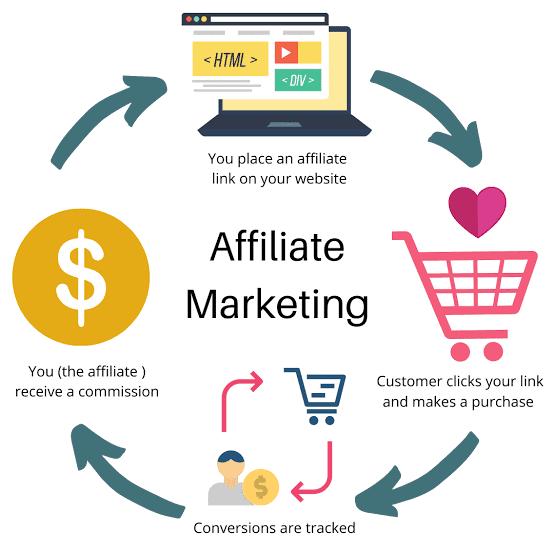
Lead generation focuses on attracting potential customers and turning them into qualified business opportunities for a company or service provider. Affiliate marketing, on the other hand, focuses on promoting products or services in exchange for commissions when sales or actions occur.
Both approaches can be profitable and scalable, but they differ in:
- Business model
- Revenue structure
- Setup requirements
- Control over customer relationships
- Long-term scalability
This comparison breaks down the key differences, advantages, disadvantages, and ideal use cases so you can decide which approach best fits your goals.
Quick Summary
Lead Generation
Best for building long-term business assets, qualified customer pipelines, and scalable client acquisition systems.
Affiliate Marketing
Best for flexible content-driven monetization with lower startup costs and commission-based income opportunities.
Key Differences
Ease of Use
Lead Generation
Lead generation often requires:
- Sales understanding
- Customer qualification
- Funnel creation
- Outreach systems
- CRM management
There can be a steeper learning curve, especially for B2B or high-ticket services.
Affiliate Marketing
Affiliate marketing is often easier for beginners to start because:
- No product fulfillment is required
- No customer service is needed
- Many affiliate programs are free to join
However, generating meaningful traffic and commissions still takes time and consistency.
Setup & Configuration
Lead Generation
Lead generation usually requires:
- Landing pages
- Lead forms
- Email systems
- Sales processes
- Follow-up workflows
It often involves more setup and operational management.
Affiliate Marketing
Affiliate marketing is generally simpler to launch.
Many affiliates start with:
- A blog
- Social media
- YouTube
- Email newsletters
The setup is often faster and less technical initially.
Features & Business Structure
Lead Generation
Lead generation focuses heavily on:
- Customer acquisition
- Lead qualification
- Conversion systems
- Relationship building
- Revenue optimization
It often gives businesses more control over customer relationships and long-term growth.
Affiliate Marketing
Affiliate marketing emphasizes:
- Content promotion
- Referral tracking
- Audience monetization
- Passive traffic generation
Affiliates usually do not own the customer relationship after the referral.
Cost
Lead Generation
Lead generation may involve:
- Advertising costs
- CRM software
- Automation tools
- Sales infrastructure
- Website optimization
Startup costs can be higher depending on the business model.
Affiliate Marketing
Affiliate marketing often has lower entry costs.
Many people begin with:
- A website
- Content creation tools
- Social media accounts
However, scaling traffic may eventually require investment in SEO, paid ads, or content production.
Support & Maintenance
Lead Generation
Lead generation systems often require ongoing optimization:
- Lead nurturing
- Campaign adjustments
- CRM updates
- Sales coordination
- Analytics tracking
It can be more operationally intensive.
Affiliate Marketing
Affiliate marketing tends to require less ongoing customer management.
However, affiliates still need to:
- Produce content
- Maintain traffic
- Adapt to platform or algorithm changes
- Monitor conversions
Pros & Cons
Pros of Lead Generation
- Builds long-term business relationships
- Higher revenue potential per client or lead
- Greater control over customer acquisition
- Strong scalability for agencies and B2B businesses
- Creates valuable first-party customer data
Cons of Lead Generation
- More complex setup and management
- Requires follow-up and sales systems
- Can involve higher upfront costs
- Lead quality management is critical
- Scaling may require operational support
Pros of Affiliate Marketing
- Lower startup costs
- Easier for beginners to start
- No need to manage products or fulfillment
- Flexible and location-independent
- Can generate passive income through evergreen content
Cons of Affiliate Marketing
- Less control over customer relationships
- Income depends heavily on traffic quality
- Commission structures can change
- Highly competitive in many niches
- Revenue may fluctuate based on platform algorithms
Use Cases
When to Choose Lead Generation
Lead generation may be the better option if:
- You want to build a long-term business asset
- You work in B2B or high-ticket services
- You prefer owning customer relationships
- You want recurring client opportunities
- You are comfortable managing sales systems
It’s especially strong for:
- Agencies
- Consultants
- Manufacturers
- Service providers
- SaaS companies
When to Choose Affiliate Marketing
Affiliate marketing may be the better fit if:
- You enjoy content creation
- You want lower startup risk
- You prefer flexible online income
- You do not want to handle fulfillment or customer service
- You already have an audience or traffic source
It’s especially popular for:
- Bloggers
- YouTubers
- Influencers
- Niche website owners
- Content creators
Final Thoughts
Both lead generation and affiliate marketing offer real opportunities for online growth and income, but the best choice depends on your goals, skills, and preferred business model.
Lead generation tends to offer:
- More control
- Higher-value customer relationships
- Stronger long-term business infrastructure
Affiliate marketing typically offers:
- Simpler entry
- Lower operational complexity
- Flexible content-based monetization
If you value ownership, scalability, and client acquisition systems, lead generation may be the stronger fit.
If you prefer audience-building, content creation, and lower startup costs, affiliate marketing may be more aligned with your goals.
The best next step is to evaluate:
- Your available time
- Your budget
- Your skill set
- Your growth goals
- Your preferred level of involvement
Once you understand those factors clearly, choosing between lead generation and affiliate marketing becomes much easier.